Sunset Budgets: What a Comfortable Retirement Actually Costs on the Gambian Coast

The average American couple retiring today at 65 will need roughly $315,000 to cover healthcare alone over the course of retirement, according to widely cited Fidelity estimates. Add housing costs in traditional retirement destinations — where median home prices in Florida retirement communities routinely exceed $350,000 — and it's little wonder that a growing number of US retirees and diaspora members are looking further afield.
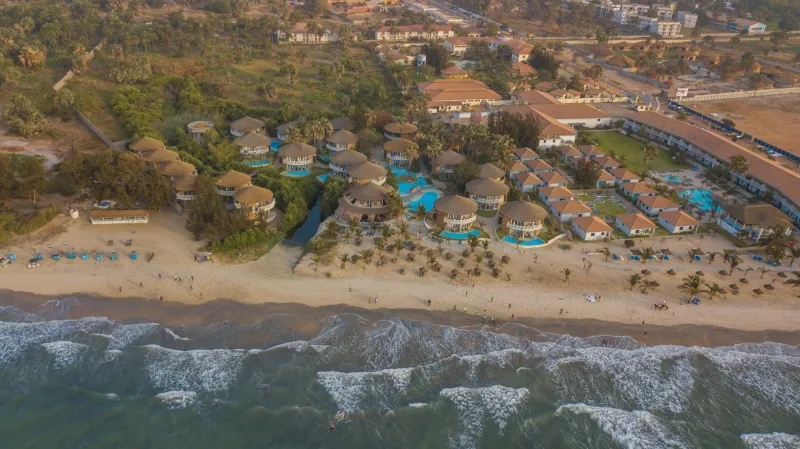
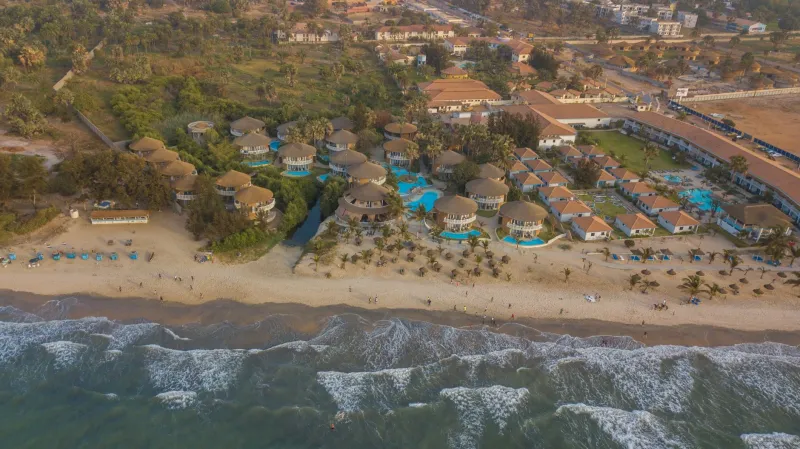
One destination quietly entering the conversation is The Gambia, Africa's smallest mainland country, where Atlantic beaches, a large English-speaking population, and a cost of living that surprises most first-time visitors converge. At Asset Gambia, we advise investors on the numbers every day. Here, we break down what a comfortable retirement on the Gambian coast actually costs — and where the honest trade-offs lie.
The Monthly Budget, Line by Line
A single retiree living comfortably in the Kololi or Brufut areas — coastal neighborhoods popular with expatriates — can expect the following rough monthly outlays:
- Housing (rental, two-bedroom near the coast): $400–$700 for a quality unit; considerably less outside prime areas
- Utilities and internet: $80–$150, with generator or solar backup costs factored in
- Groceries and dining: $200–$350, depending on how much imported product you buy
- Domestic help: $50–$150 for part-time household assistance, which is common and fairly priced
- Transport: $50–$100, whether by taxi, hired driver, or a modest vehicle
- Health insurance and routine care: $100–$200 for regional coverage and out-of-pocket care
Add it up, and a comfortable single-retiree budget lands between $900 and $1,600 per month. Couples can live well on $1,500 to $2,500. Compare that to Florida, where the same couple would likely spend $4,000 or more before discretionary spending — and where homeowners insurance premiums have risen sharply in recent years.
Healthcare: The Honest Picture
This is where we urge clients to be clear-eyed. The Gambia does not offer US-standard tertiary care. Routine consultations, dental work, and pharmacy needs are affordable and generally adequate. Private clinics in the Serrekunda area and Senegambia serve the expatriate community. But for serious conditions — cardiac events, complex surgery, advanced oncology — the practical answer is medical evacuation or travel to Dakar, which has stronger private facilities, or back to the US or Europe.
Sensible retirees structure this into their plan: regional health insurance with evacuation coverage, a relationship with a private clinic, and a financial reserve for medical travel. Many retain US Medicare eligibility by maintaining a US address and returning periodically, though Medicare itself does not cover care abroad.
Residency and Property Ownership
The Gambia is notably accessible. Visa-free entry for Americans, straightforward renewable residence permits, and a government that has historically welcomed foreign residents make the paperwork manageable. Residence permits are obtained through the Department of Immigration and are typically renewed annually at modest cost.
On property: non-Gambians can own freehold property, though most transactions involving foreigners are structured with care — title verification is essential, and leasehold arrangements on some land categories are common. This is precisely the kind of due diligence we insist on at Asset Gambia before any client wires funds. A competent local attorney, a verified title search, and a licensed agent are non-negotiable.
Profiles from the Coast
Consider two composites drawn from our client base. Margaret, 67, a retired school administrator from Georgia, rents in Brufut and lives on roughly $1,400 a month including her regional insurance premium. Her Social Security covers everything; her pension accumulates. Her trade-off: she flies back to the US every year for checkups and misses her grandchildren more than she expected.
Then there's Fatou and James, a Gambian-American couple from Maryland who built a small guesthouse over five years and now split their year between both countries. Their advantage is cultural fluency and family on the ground — an asset no budget spreadsheet captures.
The Trade-offs, Stated Plainly
Retiring in The Gambia means accepting infrastructure gaps: occasional power interruptions, variable road conditions, and bureaucratic friction. It means distance from family and US healthcare. It means understanding that the dalasi floats, and a dollar-denominated budget can shift with exchange rates — a currency consideration we cover in depth elsewhere on this site.
For the right person — one with patience, a modest income floor, and an appetite for a genuinely different rhythm of life — the Gambian coast offers something few US retirement destinations can: a full, warm, coastal life on a fraction of the budget, with capital left over to invest in one of West Africa's more intriguing small economies.
Before making the move, visit in both dry and green seasons, test the budget in person for a month, and get professional advice on any property purchase. The numbers work — but only when built on verified ground.