Trust, But Verify: Building a Due Diligence System for Gambian Investments Before You Wire a Dollar

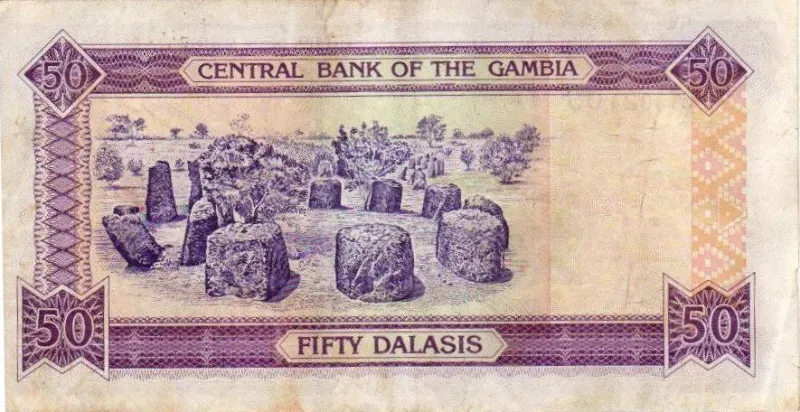
Photo: Mr Brown, CC BY-SA 4.0, via Wikimedia Commons
For many Americans — particularly members of the Gambian diaspora — the first instinct when an opportunity back home looks promising is to move quickly. A cousin knows a seller. A friend of a friend has land in Bijilo. The deal feels urgent, and the wire can go out this week.
Resist that instinct. In cross-border investing, speed is rarely your friend and almost never your advantage. What separates investors who build lasting assets in The Gambia from those who lose their capital is rarely luck. It is process. Specifically, it is a disciplined due diligence system that can be executed from 4,000 miles away.
Start With the Land, Not the Story
Land remains the most common entry point for American capital in The Gambia — and the most common source of disputes. Gambian land law blends formal title registration with customary and family-based ownership, which means a parcel can appear to have multiple legitimate claimants. Before any negotiation proceeds, you need answers to three questions:
- Who holds the recognized title, and is it documented? Ask for the title deed or lease document and verify it against records at the Ministry of Lands and Local Government. A physical document shown to you on a WhatsApp video call is not verification.
- Is the property subject to any dispute, encumbrance, or pending litigation? Your local attorney should run independent checks — not checks supplied by the seller.
- Does the seller actually have the right to sell? In family-held land, one sibling's signature may not be enough. Confirm consent from all recognized owners.
Engage a Gambian-licensed attorney to conduct this work directly. Expect to pay for it — a few hundred dollars in legal fees is the cheapest insurance you will ever buy on a five-figure transaction.
Verify the Business, Not Just the Brochure
If your opportunity involves a company — a guesthouse, a farm operation, a import-export venture — verification starts at the Attorney General's Chambers and the Registrar of Companies, where Gambian business registrations are maintained. Request the certificate of incorporation, confirm the company is in good standing, and ask who the registered directors and shareholders are.
Then compare that paperwork to what you have been told. If the person pitching you the investment is not a registered director, ask why. If the company was formed three months ago but claims a ten-year operating history, walk away or demand an explanation in writing.
For financial claims, ask for bank statements and tax records — not projections. A business that cannot show its history is asking you to fund its future on faith alone.
Understand the Regulatory Perimeter
The Central Bank of The Gambia regulates banks, money transfer services, and certain financial institutions. If your opportunity involves pooling money from investors, promising returns, or operating anything resembling a fund, verify whether the entity is licensed or required to be. Unlicensed investment schemes — whether in Banjul or Boca Raton — share a common signature: guaranteed returns, urgency, and reluctance to provide documentation.
American investors should also keep the US side of the ledger clean. Large international wires may trigger reporting requirements under the Bank Secrecy Act, and funds moving through informal channels can raise problems with both FinCEN and the IRS. Use regulated banking channels, keep records of every transfer, and consult a US tax professional about reporting foreign investments and any income they generate.
Red Flags That Should End the Conversation
Some warning signs are universal; others are specific to the West African context. Treat any of the following as grounds to pause:
- Pressure to act before verification is complete. "Another buyer is interested" is a sales tactic, not information.
- Requests to route money through personal accounts rather than an escrow or attorney's client account.
- Reluctance to provide documents — or documents that arrive as photos with key pages missing.
- Prices dramatically below market. Beachfront land at a fraction of comparable value is usually worth exactly what you paid for it: nothing.
- Verbal assurances in place of paperwork. In Gambian business culture, relationships matter deeply — but a relationship is not a title deed.
Build Your Verification Network Before You Need It
The investors who succeed from abroad share a habit: they built their network before writing a check, not after. That network should include, at minimum:
- A licensed Gambian attorney who works for you, not for the deal
- A licensed surveyor who can physically inspect and confirm boundaries
- A Gambian bank or regulated money transfer operator for moving funds
- An independent local contact — an accountant, a respected businessperson — who can visit a site and tell you what they actually see
Video calls, site photos with date stamps, and third-party inspections can substitute for much of what used to require a plane ticket. What they cannot substitute for is independence. Every person verifying your deal should be paid by you and loyal only to the accuracy of their findings.
The Bottom Line
The Gambia offers genuine opportunities: a growing tourism sector, a strategic English-speaking foothold in ECOWAS, and a young, entrepreneurial population. But opportunity rewards the prepared, not the eager. A structured due diligence process — verified titles, registered entities, regulated channels, and an independent local team — converts a leap of faith into a calculated investment.
Wire the money when the paperwork is clean. Not a day before.