Underwriting Sunlight: A Practical Screen for Gambian Commercial Solar in 2026
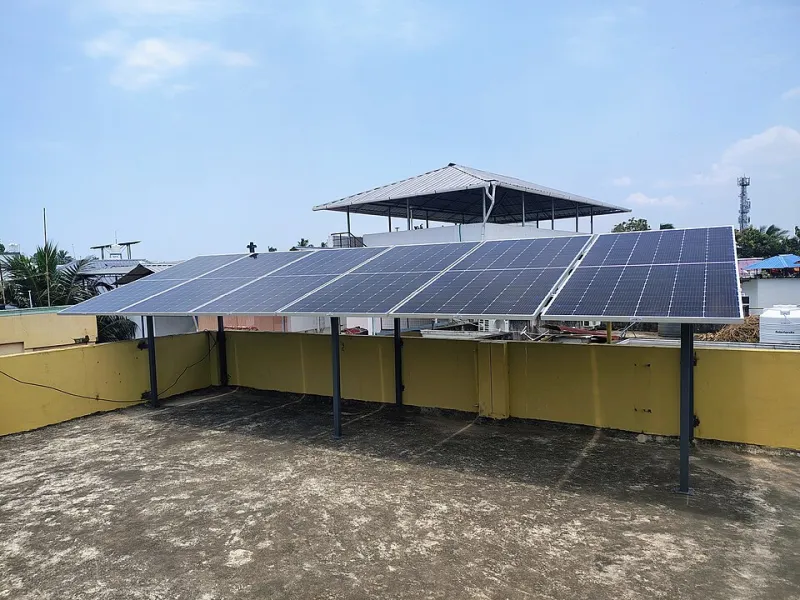
Photo: Manukrishnan80, CC BY-SA 3.0, via Wikimedia Commons
Solar investment in The Gambia is often described in aspirational terms: abundant sunshine, rising electricity demand, and a grid that struggles to keep pace. Those facts are real, but they do not underwrite a project. For a US-based diaspora investor or an institutional allocator, the relevant question is not whether The Gambia needs more power. It is whether a specific solar asset can convert sunlight into collectible cash flow after permits, maintenance, currency conversion, and counterparty behavior. In 2026, that distinction separates a credible infrastructure allocation from an expensive gesture.
Start With the Load, Not the Logo
Commercial solar economics begin with a load profile, not a brand-name panel. A hotel on the Smiling Coast may run air conditioning in the afternoon and restaurant equipment in the evening; an agribusiness may concentrate demand around irrigation, cold storage, or processing shifts. A minigrid serving a rural community may face a sharp evening peak as households light and charge devices. Each profile calls for a different mix of generation, storage, and grid or diesel backup.
Ask for twelve to twenty-four months of electricity bills, diesel purchase records, outage logs, and equipment run hours. If the sponsor cannot produce them, the projection is a guess. The strongest projects usually have an anchor load: a hospitality property with measurable generator fuel costs, a food processor with daytime refrigeration, or a community with a committed commercial customer. Without an anchor, utilization risk rises and the return case weakens.
Diesel Displacement Is the First Revenue Line
The initial case for most commercial solar in The Gambia is avoided diesel. Fuel is imported, transported, and exposed to both global prices and local logistics. A hybrid solar system reduces daytime generator run hours, but the savings depend on how the existing generator is used. A system that offsets a few hours of light load is not the same as one that displaces heavy daytime demand.
Underwrite the avoided cost conservatively. Include fuel, lubricants, maintenance, and the operational cost of outages. Then model solar output with realistic degradation and seasonal cloud cover. If batteries are included, treat them as a separate capital item with a replacement reserve, not as a free improvement. For minigrids, the revenue line is different: it is tariff collection from users, often with a community or regulatory dimension. Collection rates, theft, and affordability deserve as much attention as irradiance.
Equipment Sourcing and the Salt-Air Discount
The Gambian environment is hard on equipment. Coastal humidity, salt air, dust, and high temperatures shorten the life of poorly specified systems. Tier-one modules and inverters are preferable, but the bill of materials matters as much as the brand. Mounting structures should be corrosion-resistant, enclosures should be appropriate for the site, and spare inverters should be budgeted from the start.
Sourcing through regional supply chains can reduce freight and lead times, but it can also complicate warranty enforcement. Confirm who holds the warranty, who can service the equipment locally, and whether critical spares are stocked in-country or in a nearby hub. A low-cost installation that requires a foreign technician for every fault is not low-cost. Commissioning tests, serial-number records, and as-built drawings are basic investor protections.
Maintenance Is a Line Item, Not a Promise
Solar systems in West Africa require active maintenance. Dust and harmattan conditions reduce output; vegetation and debris create shading; heat stresses inverters and batteries. A credible O&M plan includes cleaning schedules, thermal inspections, inverter servicing, and battery augmentation. It also names response times and local technicians.
Budget an annual maintenance reserve rather than assuming the installer will handle problems informally. For commercial rooftops, remote monitoring can flag underperformance quickly. For community minigrids, maintenance intersects with tariff collection and local governance. A system that is technically sound but socially unmanaged will still fail. Investors should ask who is accountable for collection, security, and customer service after commissioning.
Permits, Land, and the Offtake Question
Regulatory and site issues can undo an otherwise attractive project. Electricity generation and sale in The Gambia involve the Public Utilities Regulatory Authority, and projects may require licensing or registration depending on their structure. Building, electrical, and environmental approvals may also apply. Land tenure must be clear. A lease, title, or community agreement should be documented before capital is deployed.
Offtake is the commercial heart of the screen. A corporate power purchase agreement with a hotel or agribusiness needs a creditworthy counterparty, clear tariff escalation, termination provisions, and a payment mechanism. A minigrid needs a tariff framework and a realistic assessment of household and business demand. Informal assurances that customers will pay monthly are not bankable. If the offtaker is the same business that owns the site, look through the owner's financial statements; related-party arrangements can hide weak cash flow.
Currency and Financing Structure
Most solar capex is denominated in US dollars or euros, while revenues in The Gambia are typically in dalasi. That mismatch is a central risk. Dalasi depreciation can erode USD returns even when the project performs operationally. Tariff indexation may help, but regulatory and political constraints can limit pass-through.
Stress test the model at a meaningful depreciation assumption rather than a single spot rate. Consider whether revenues can be linked to a hard-currency benchmark, whether local debt can offset part of the exposure, and whether reserve accounts can smooth conversions. Insurance, political risk cover, and development finance participation may be available for larger projects, but they add cost and complexity. The financing structure should match the asset's actual cash flows, not an optimistic currency view.
A Screen for US-Based Investors
Before committing capital, require answers to a short list of questions. What is the measured load and diesel baseline? Who controls the site, and what permits are required? Is the offtaker creditworthy, and what happens if demand falls? Are the equipment specifications appropriate for coastal West Africa, and can warranties be enforced locally? Who performs maintenance, and what spares are stocked? How does the return hold up under dalasi depreciation? What is the exit route if the sponsor needs liquidity?
At Asset Gambia, we treat solar as yield infrastructure, not as a charitable add-on or a technology novelty. Hospitality rooftops, agribusiness cooling and irrigation, and carefully governed minigrids can all merit consideration in 2026. But the opportunity is selective. The investor who underwrites the load, the counterparty, and the currency before admiring the array is the one most likely to see sunlight translate into durable returns.